Use the paper-storage guides when the contents are the limiting size, the household-storage guides when the opening is tight, and the desk guides when several objects compete for the same surface.
The comparisons retain exact models and variants so that a useful dimension stays attached to the item it describes.
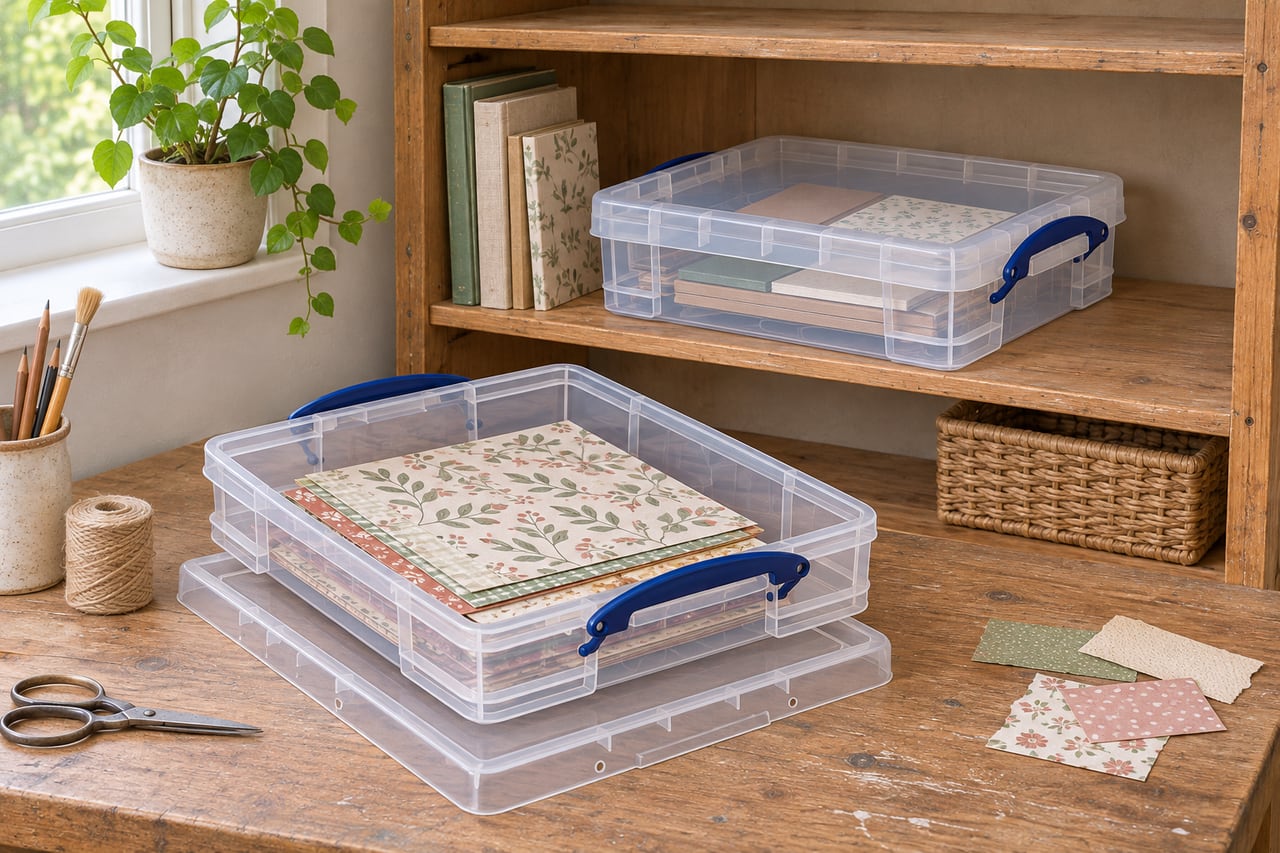
The IRIS medium case is the shortest of these flat cases at 3.1 inches high. The Really Useful 7 litre is slightly taller, while the ArtBin standard Super Satchel adds a carrying handle and a 3.5-inch overall height. Compare the full footprint before choosing: a box sold for twelve-inch paper can need more than fifteen inches in one direction.
For loose twelve-inch sheets, all five products are presented by their manufacturers as scrapbook-paper storage. Sleeves, divider tabs and pad bindings change the question. Measure the widest complete item rather than the sheet printed inside it. An open compartment is useful when papers and folders need to lie together.
Use a clear opening of thirty inches wide and sixteen inches deep for this example. Each box stays upright with its lid on top. The table uses a simple row, choosing the orientation that gives the larger count. These counts leave no reserved handling gap; subtract your chosen allowance before repeating the calculation for a real shelf.
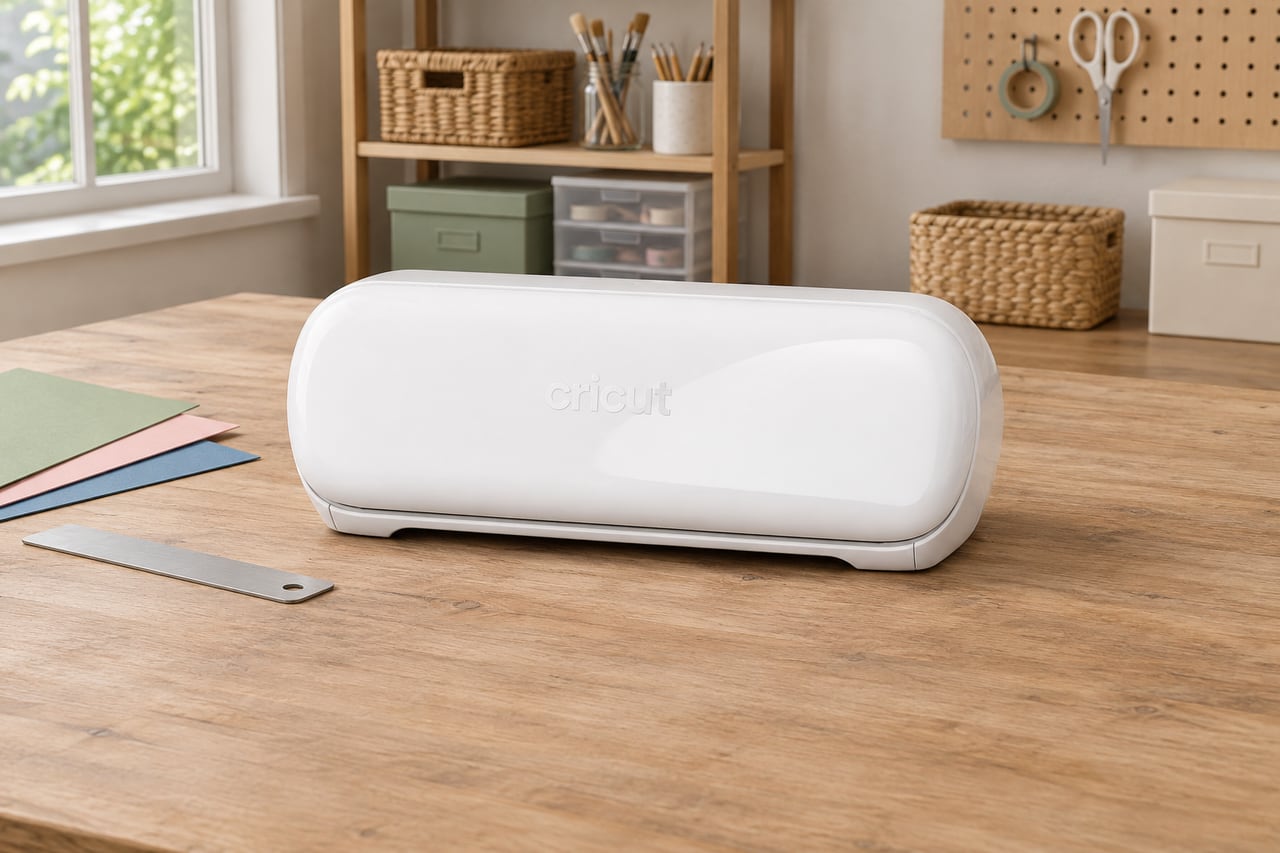
Joy 2 is the smallest body here, but its long-mat cut width is only 4.25 inches in Cricut’s quick-start guide. That makes a real difference for a wide card front or a single large decal. Joy Xtra gives 8.25 inches of mat cutting width; Portrait 4 lists 8.5 inches. These are ordinary mat cutting areas; printed registration marks can reduce the area available for print-and-cut projects.
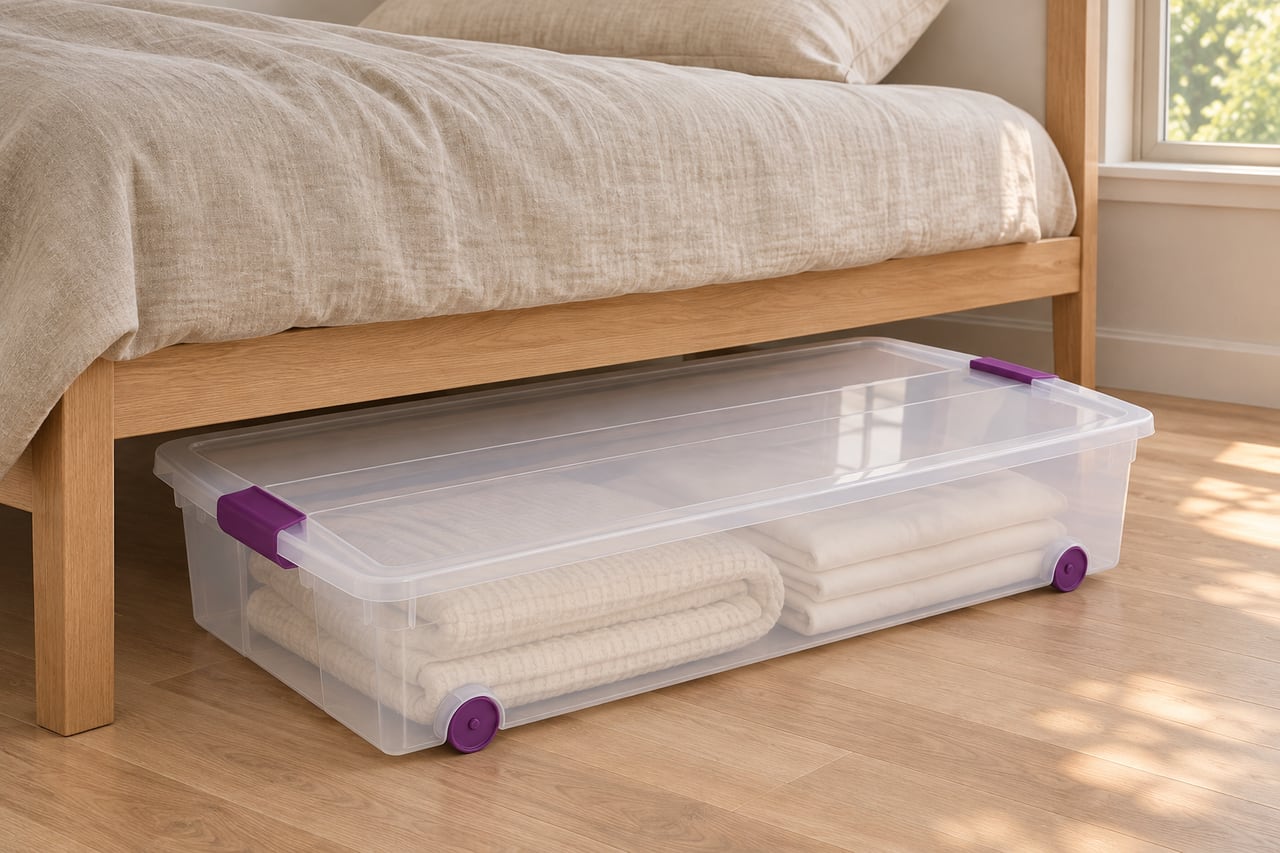
The longest box is not automatically the most useful one. Bed legs and center supports divide the available floor into smaller spaces. Mark an unobstructed rectangle, then measure the lowest part of the opening you have to slide through.
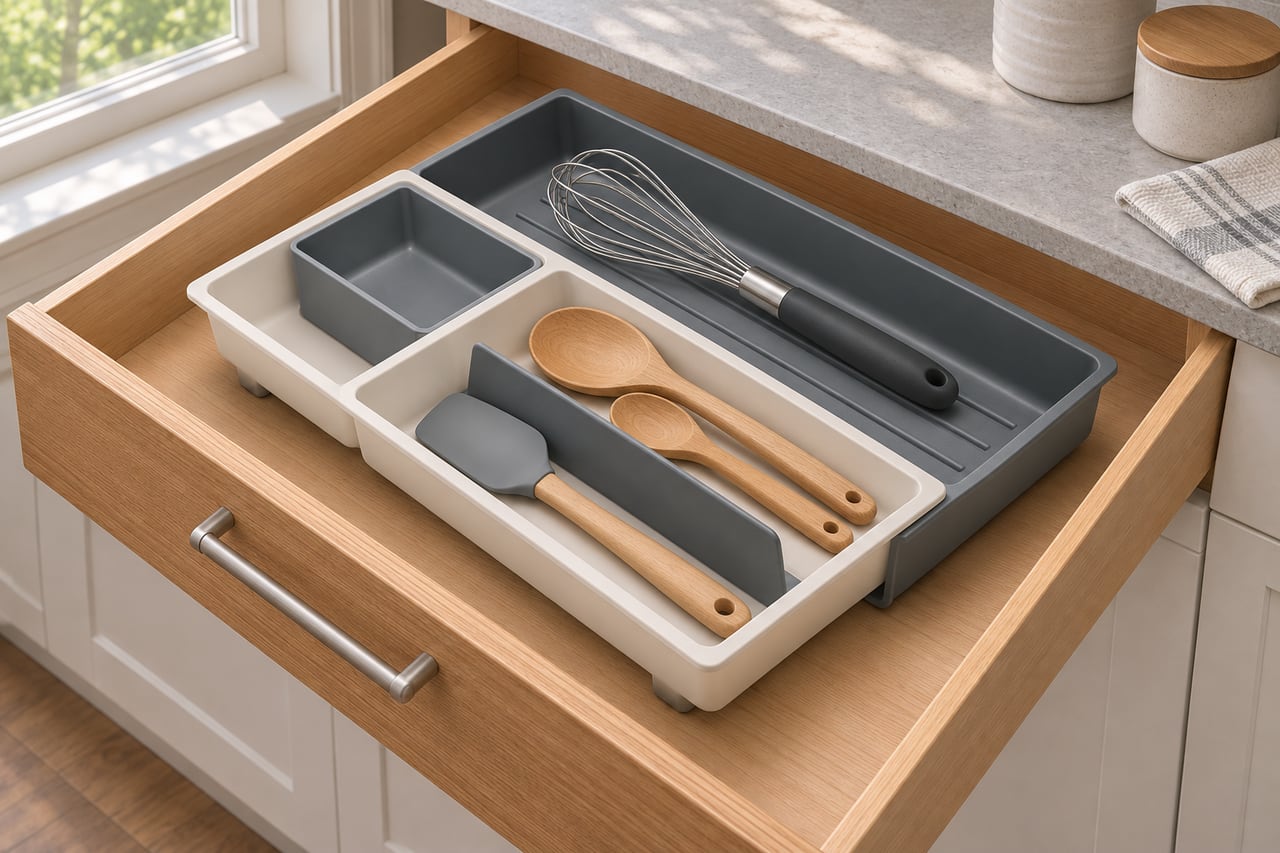
OXO is the more flexible layout for an assortment of kitchen tools. Its width adjustment helps use the space beside the main tray. The Joseph Joseph design stacks cutlery compartments, which saves width but uses more vertical room. IKEA spreads the compartments across a conventional flat tray.
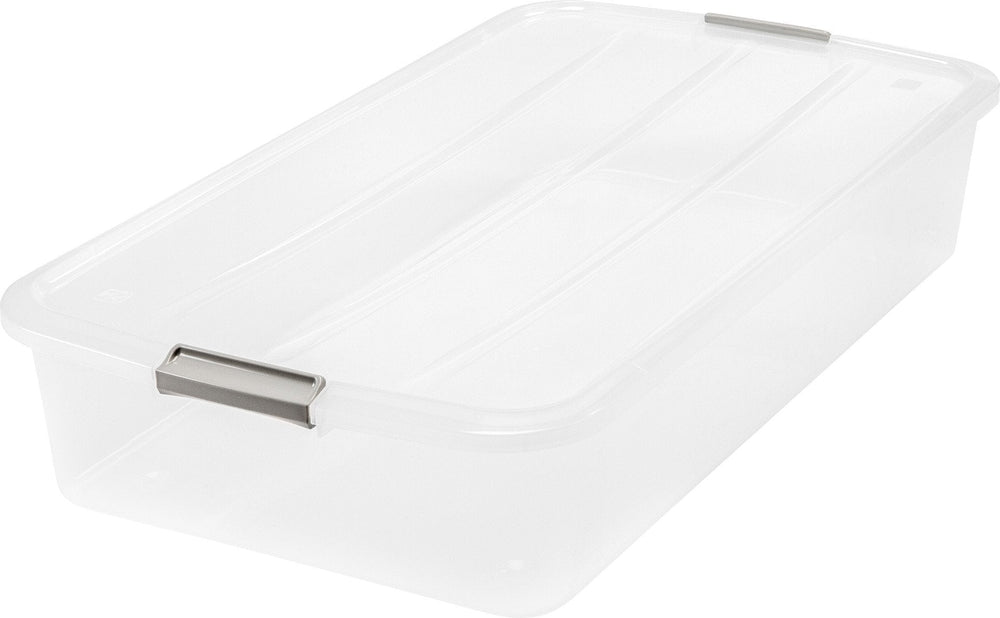
A folded blanket is forgiving about corners. A rigid game box or long roll is not. For a close fit, compare the item with inside measurements rather than capacity. The 40-quart IRIS and the Sterilite both publish useful internal dimensions; the 50-quart listing supplies the outside dimensions.
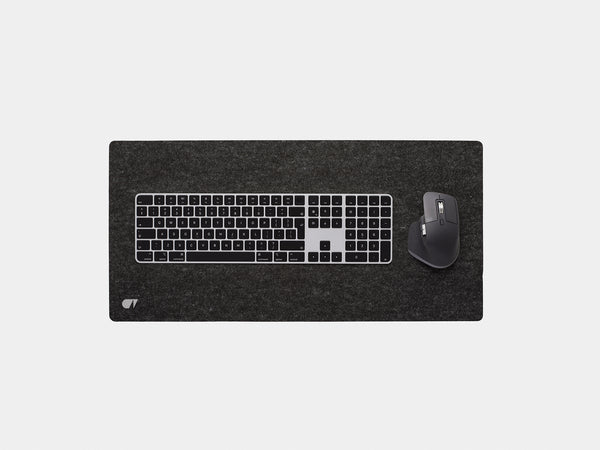
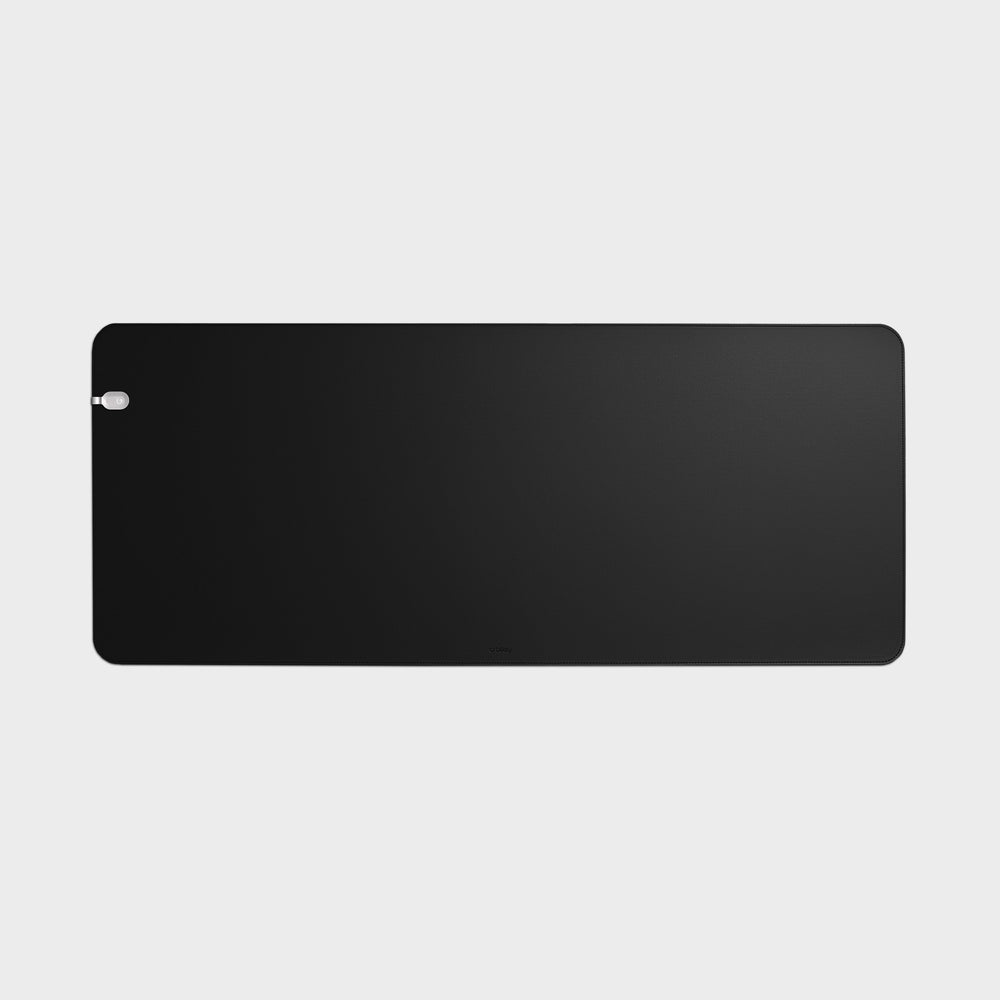
The 620 mm-wide Oakywood is the smallest of these three. It suits a layout where the mat needs to stop short of a notebook or other permanent work area. Its felt-and-cork construction also gives you a different material option from the fabric and PU alternatives. Check your actual keyboard before choosing it: reducing mat width reduces the strip available for the mouse.
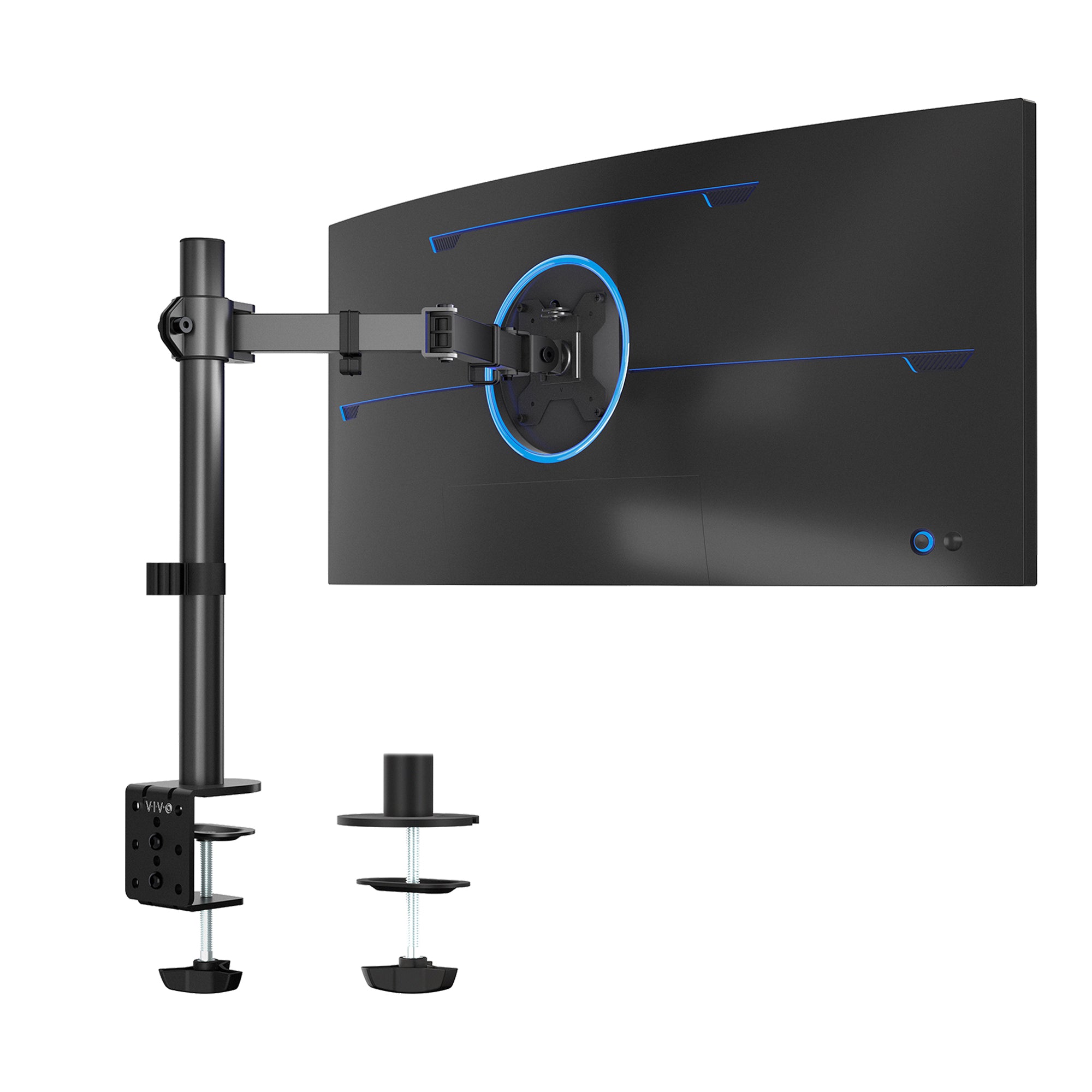
If you mainly set the screen once and leave it there, VIVO’s pole design is worth comparing with a spring arm. It supports up to 22 lb and includes clamp and grommet hardware. Its manual shows a 10–85 mm clamp range, while the listing caps desk thickness at 3.25 inches. Do not assume the larger manual figure settles a close fit; ask VIVO about the exact supplied revision.
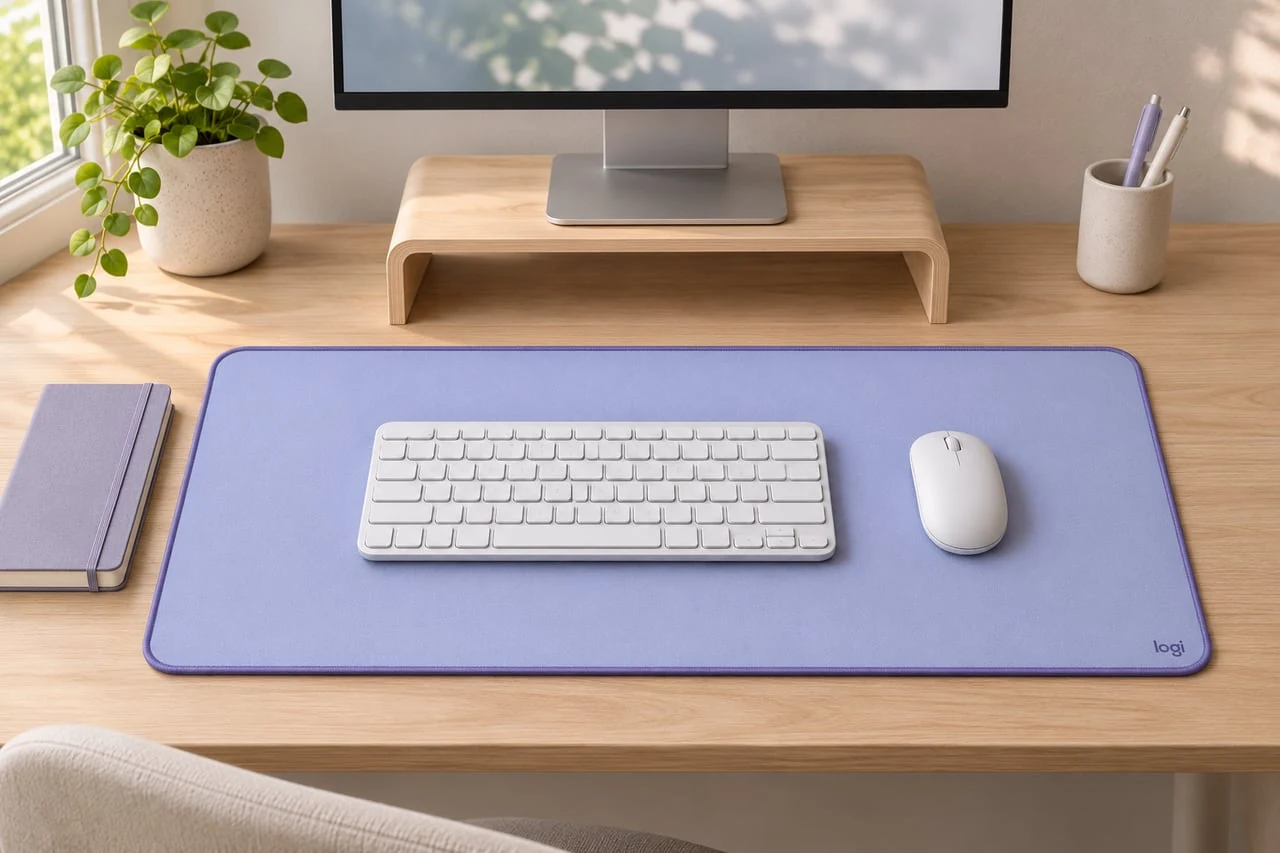
Compare Oakywood Medium with Logitech Studio Series before adding anything else. They share a 300 mm depth, while the narrower Oakywood leaves more desk exposed beside it. Lay out your open notebook and keyboard together. If moving the keyboard once makes room for writing, you may not need a larger accessory or another storage shelf.